News items
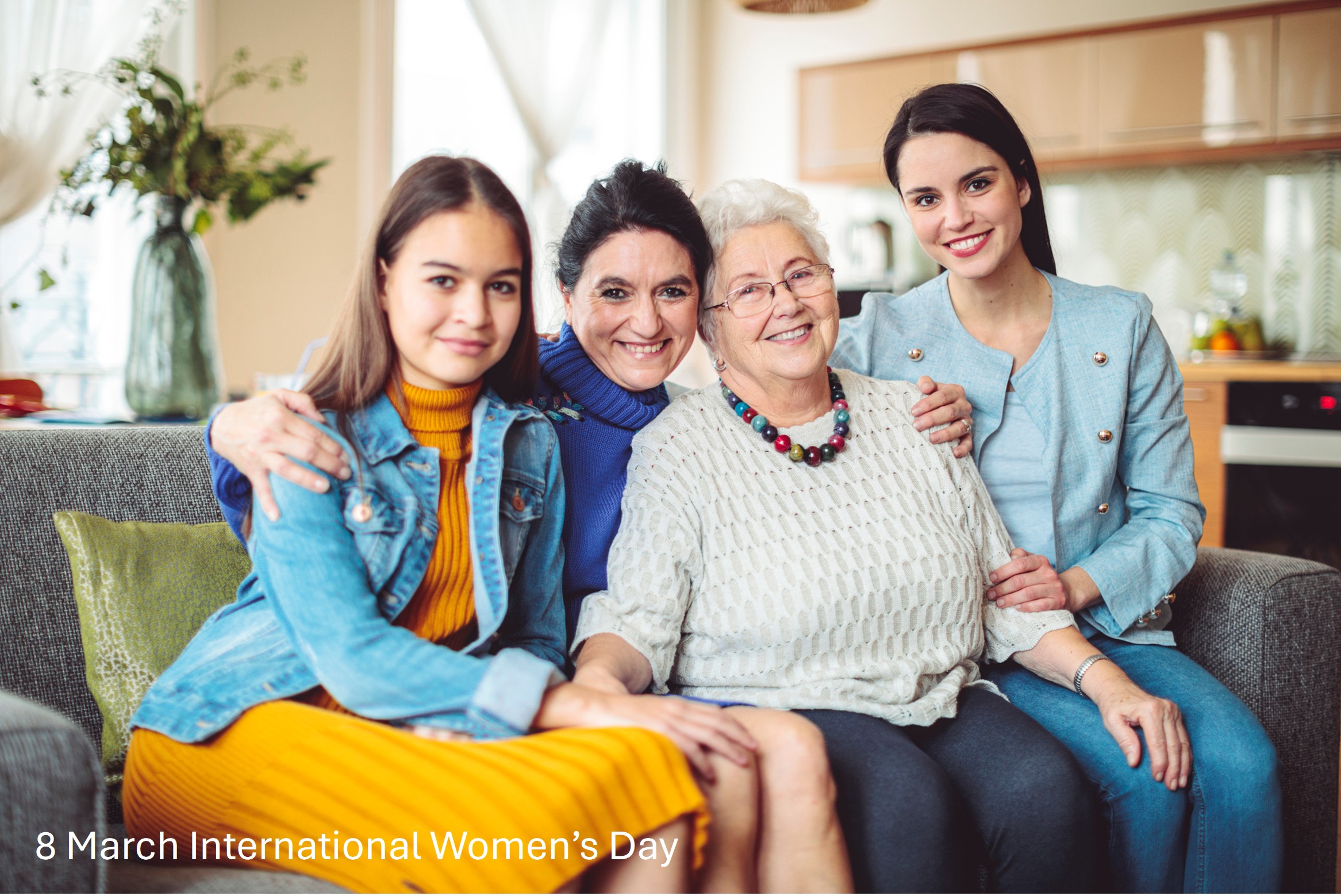
Society today relies heavily on unpaid care provided mostly by women. And women bear the costs, while society enjoys the benefits.
Women are more likely to provide care to parents, partners or children. Those who provide informal care and are employed can usually take (partly) unpaid care leave. As a result, if you do take care leave, you may be accruing less pension or none at all. Fortunately, many employers make good agreements about this in their CLAs. As a result, most participants in Pensioenfonds PDN still accrue 100% pension when they take care leave. But just to be sure, you should always check this with your employer or in your CLA. Incidentally, the same applies to parental leave.
Providing for income
For many people taking multiple weeks of unpaid leave is financially unfeasible. Women in particular therefore regularly choose to work fewer hours. The result is that while they have some income then, their salary is reduced and moreover, they have less pension when they retire. Even temporarily quitting work results in a permanent loss of pension benefits.
Because the less you work, the less pension you accrue for later. Consider this example: You work for 40 years, accruing pension benefits over that period. Suppose you want to have more time for family, and over this 40-year period, you work 60% part-time for 12 years instead of 100% fulltime. In this case, you will end up getting 12% less pension in the future.
And if you die when you’re working less hours, this will also have consequences for your partner’s pension. The same applies if you become fully or partially disabled during this period. So first carefully check out what will happen when you start working less. ► Reducing Your Hours | Pensioenfonds PDN
The pension gap
On average, women have lower pension benefits than men. At PDN, on average women today have 32% less pension than men (nationally this is 40%). But younger women aged 35 and above are also accruing less pension. This is mainly due to the so-called 'baby penalty', where a woman’s income drops sharply when she has children. By the way, this is not only about women working less, but also about the (likely) negative impact on their career prospects.
Linda Senden, professor of European Law in Utrecht, argues for fundamental adjustments in the labour market, including leave arrangements and free accessible childcare. "In countries like Sweden or Belgium, for example, childcare is much better regulated," she notes. “Informal care and child care can only be combined with a job that offers flexible working hours," she knows from experience. "In Norway, people caring for a child under the age of six receive an allowance. The mother, or the father, can receive this allowance, depending on who is providing the care. The amount received can also be shared. The allowance also includes pension accrual. This way you are rewarded for the care you provide."
Leonne Jansen, pension administrator at trade union FNV, says that structural changes are also needed to actually reduce the pension gap. "As long as the duty of care in the Netherlands mainly falls on the shoulders of women, they will continue to foot the bill on their own," she says. "Informal care providers supply work that benefits the whole of society. It makes sense that society should also contribute to their pension accrual. And as long as women provide more care than men, the pension system should recognise and compensate for this. Only then can we actually reduce the pension gap."
Therefore there is a role (and opportunity) for government, employers and pension funds to come up with schemes that apply fairly to everyone and that allow society to give something back in return.
Your choice
Of course, you should choose to do what you think is important and, for example, start working part-time, or take time off for personal development or to take care of others. But you should also take the time to reflect on the consequences this will have for your income later.
Visit My PDN Pension to check out the status of your pension and how certain choices will affect your income down the road and whether your pension is enough when you retire.
And...
Don't forget to check out what your employer does for you in case of (statutory) care leave or parental leave. Check out the PDN website for information about the implications of dividing pensions in case of divorce, especially if you already have less income yourself because of your care responsibilities. But also for information about working less, quitting earlier and becoming disabled.
If you have any questions on this topic, don’t hesitate to contact our Pension Desk.